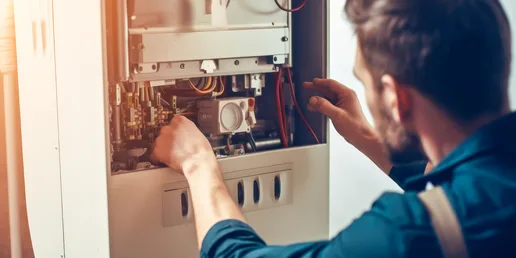
The air inside your Lake Martin home matters more than you might think. It can contain allergens, dust mites, pet dander, mold spores, and VOCs that aggravate allergies, asthma, and respiratory health. Unlike outdoor air, indoor air recirculates through your HVAC system — and if your system isn’t equipped to filter it effectively, contaminant levels build. Spencer Heating and Air offers professional air quality testing and proven solutions for Jackson’s Gap families.
Breathing cleaner air at home is achievable and doesn’t require expensive equipment overhauls. Start with a professional assessment: we’ll test your air, explain what we find, and recommend solutions matched to your specific problems and budget. Call us for a no-pressure air quality consultation and testing appointment.
256-373-3165Six reasons families across Jackson’s Gap, Alexander City, and the Lake Martin area invest in professional air quality testing and improvement. Click any card to read the detail.
If anyone in your household experiences allergy symptoms that worsen indoors, their immune system is reacting to something in your air.
Common culprits include dust mites (thriving in bedding and furniture), pet dander, pollen (brought inside on clothing and in through doors/windows), and mold spores from damp areas. Many people assume allergies are seasonal and unavoidable; often they’re caused by indoor air that could be cleaned. Testing reveals what you’re actually breathing.
Children and adults with asthma, COPD, or other respiratory conditions experience more symptoms in homes with poor air quality.
Particulate matter, dust, and air pollutants trigger inflammation in airways. Parents often report that asthma symptoms improve dramatically when indoor air quality is addressed. For families dealing with respiratory health challenges, air quality improvement isn’t optional—it’s essential.
Today’s homes are built with better insulation and tighter construction to reduce energy loss. That’s great for your bills, but it traps contaminants inside.
Weatherstripped doors and windows, closed crawlspaces, and sealed attics that save energy also trap whatever is in your home’s air. Contaminants stay inside, building up over time. Controlled air filtration and ventilation become necessary rather than optional.
Moisture in ductwork, damp crawlspaces, or areas with water damage creates ideal conditions for mold growth.
Mold spores then circulate through your HVAC system into every room. Mold exposure triggers allergies, asthma, and respiratory infections. Some mold problems are visible; many are hidden in ducts or dark, humid spaces. Professional air quality testing can reveal mold spore levels before they become obvious or dangerous.
New furniture, carpeting, drywall, paint, and cleaning products release volatile organic compounds (VOCs) into your air.
These chemicals contribute to poor air quality, headaches, and respiratory irritation, especially in new homes or after renovations. Better ventilation and effective filtration reduce VOC levels significantly. Professional testing identifies VOC presence and guides appropriate solutions.
Tap a symptom to see why it matters and what it might indicate about your indoor air quality.
If you experience sneezing, itchy eyes, congestion, or sinus pressure that gets worse when you’re at home compared to outdoors, your immune system is reacting to allergens in your indoor air. Common indoor allergens include dust mites, pet dander, pollen brought inside, and mold spores.
What to do: Professional air quality testing identifies which allergens are present and at what levels. Solutions like upgraded filtration, humidity control, and UV sterilization can dramatically reduce allergen levels.
Testing Reveals
Specific Allergens
Dust mites, pet dander, pollen, and mold spore levels measured precisely.
Children and adults with asthma often experience more frequent or severe symptoms in homes with poor air quality. Particulate matter, dust, mold spores, and other airborne irritants trigger inflammation in sensitive airways.
What to do: Air quality testing identifies asthma triggers in your specific home environment. Many families report significant symptom improvement after addressing air quality problems.
Health Impact
Significant
Cleaner air often reduces asthma medication needs and flare-ups.
Persistent odors indicate air quality problems. Musty smells suggest mold or mildew growth. Stale air indicates poor ventilation. Chemical odors point to VOCs from furniture, paint, cleaning products, or building materials off-gassing into your air.
What to do: Testing identifies the source of odors and measures air quality factors like humidity, ventilation adequacy, and VOC presence. Solutions target the specific cause.
Odor Source
Identifiable
Testing reveals whether odors come from mold, poor ventilation, or chemical off-gassing.
If you experience headaches, fatigue, or respiratory irritation at home that improves when you’re away, poor indoor air quality may be the cause. VOCs, inadequate ventilation, and high levels of airborne particles can trigger these symptoms.
What to do: Air quality testing measures factors that contribute to these symptoms. Improved ventilation, filtration, and humidity control often provide relief.
Symptom Relief
Often Achievable
Many headache and fatigue issues improve with better air quality.
If you dust frequently but surfaces get dusty again quickly, your air filtration system isn’t capturing airborne particles effectively. Standard HVAC filters only catch large particles; smaller dust, allergens, and irritants circulate continuously.
What to do: Upgraded filtration systems capture much smaller particles, reducing dust accumulation and improving air quality throughout your home.
Filter Upgrade
Highly Effective
MERV 11-13 filters capture particles 10x smaller than standard filters.
Alabama’s humid climate often creates indoor humidity levels above 60%, promoting mold growth and dust mite populations. High humidity also makes your home feel warmer and less comfortable, forcing your AC to work harder.
What to do: Humidity testing reveals whether dehumidification is needed. Proper humidity control (40-50%) improves comfort, reduces mold risk, and helps your HVAC system work more efficiently.
Ideal Humidity
40-50%
Proper humidity control prevents mold growth and reduces dust mite populations.
Professional testing identifies exactly what’s in your air, then we recommend solutions matched to your specific problems and budget. Every Spencer air quality assessment follows the same comprehensive five-step process.
We begin by asking about symptoms you’re experiencing—allergies, asthma triggers, odd smells, musty odors, or moisture issues. We then conduct professional air quality testing using calibrated equipment to measure particulate matter (dust, pollen, pet dander), allergen levels, humidity, carbon dioxide (which correlates to ventilation adequacy), temperature consistency room-to-room, and VOC presence if you’ve had recent renovations. Testing is non-invasive and takes 30–60 minutes. We provide detailed results showing exactly what’s in your air.
Based on test results, we identify the source of air quality problems. Are particulate levels high due to inadequate filtration? Is humidity too high (promoting mold and dust mites) or too low (causing respiratory irritation)? Is ventilation insufficient? We then present solutions tailored to your specific problems—not one-size-fits-all recommendations. Solutions might include upgraded air filters, humidifiers or dehumidifiers, UV germicidal lights, ventilation improvements, ductwork sealing, or air purification systems.
If you choose to move forward with air quality improvements, we select specific equipment matched to your system and problems. Air filters rated MERV 8–13 work in most standard systems; higher-rated filters require compatible blower capacity. Humidifiers and dehumidifiers integrate with your HVAC system to control moisture automatically. UV lights install inside ductwork to sterilize passing air. Ventilation improvements might include ERV (Energy Recovery Ventilator) installation for homes that are very tightly sealed.
We install selected upgrades following manufacturer specifications and local building codes. Upgraded filters are installed in your system’s filter housing. Humidifiers or dehumidifiers are connected to your HVAC system’s return ductwork and thermostat controls. UV lights are positioned inside ductwork where airflow passes through them. All components are wired safely and integrated with your thermostat controls. After installation, we test all components to verify proper operation and show you how to use and maintain them.
After improvements are installed, we conduct follow-up air quality testing to measure the improvement and confirm that solutions are working. We review filter replacement frequency, humidifier/dehumidifier maintenance, UV light lifespan, and any other care your new equipment needs. We answer questions about using and maintaining your air quality improvements. Many customers schedule annual air quality testing to track long-term improvement and ensure their systems are performing optimally.
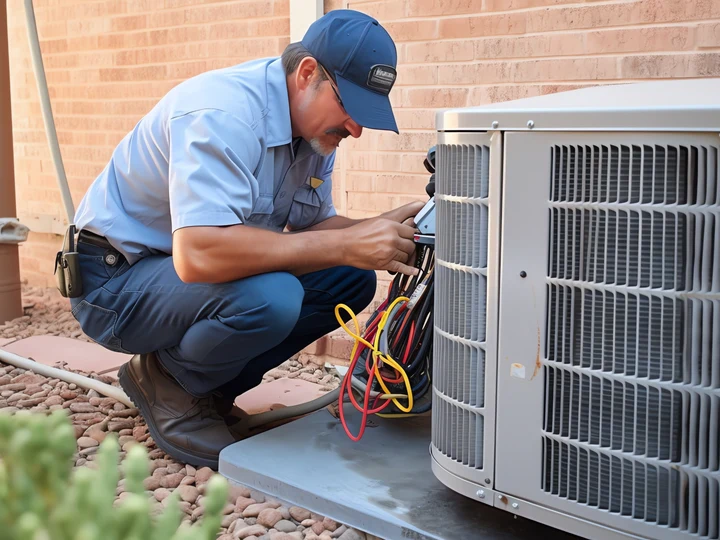
Our maintenance members enjoy priority scheduling, consistent system performance, and the confidence that comes from knowing a trained professional is keeping an eye on their equipment throughout the year.
What’s Included In Our Maintenance Plan?
We know that a new HVAC system or a major repair can be a significant investment. That is why Spencer Heating and Air works with trusted lending partners to make quality comfort accessible to every homeowner. We want you to make the best decision for your home — not the cheapest one because of budget pressure.
Why Consider Financing?

Hover over the section to see the full list. The first card shows the most common air quality improvement we install—the rest fan out as you explore.
From upgraded filtration to humidity control to UV sterilization, our technicians test, recommend, and install every kind of air quality improvement homeowners need. We’ll walk you through what testing reveals, what solutions will help, and whether basic or comprehensive improvements make the most sense for your home and budget.
Addresses: dust, allergens, pet dander, pollen. High-efficiency filters capture particles 10x smaller than standard filters. Compatible with most HVAC systems when properly sized.
Addresses: high humidity, mold growth, dust mites. Maintains ideal 40-50% humidity automatically. Integrates with your HVAC system for whole-home control.
Addresses: mold spores, bacteria, viruses. UV-C light sterilizes microorganisms passing through ductwork. Particularly effective in humid climates like Alabama.
Addresses: stale air, poor ventilation, VOCs. Brings in fresh outdoor air while recovering energy from outgoing air. Essential for very tight, energy-efficient homes.
Addresses: dry air, respiratory irritation, static electricity. Maintains comfortable humidity during winter months when indoor air becomes too dry.
Addresses: comprehensive air cleaning including particles, odors, and VOCs. Advanced systems combine multiple technologies for maximum air quality improvement.
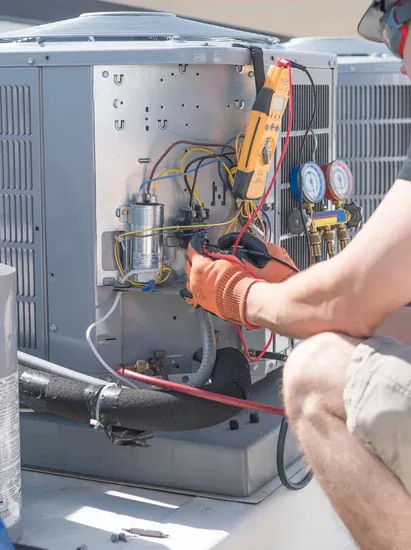
Common causes include inadequate air filtration (most standard filters capture only large particles), high humidity promoting mold and dust mites, low humidity causing respiratory irritation, pet dander and fur, pollen from outdoor air brought inside, VOCs from new furniture or renovation materials, and poor ventilation trapping contaminants. Testing identifies which factors are affecting your specific home.
Symptoms include allergy-like reactions indoors that worsen compared to outdoors (sneezing, itchy eyes, congestion), asthma flare-ups that seem worse at home, musty or stale odors, visible dust accumulation, respiratory symptoms like coughing, or headaches that improve when you leave the house. Some air quality problems exist without obvious symptoms—testing reveals what you can’t perceive.
Basic solutions like upgraded air filters or a humidifier/dehumidifier are affordable. More comprehensive improvements like UV light installation or ventilation upgrades (ERV systems) cost more but provide greater benefit. We’ll quote specific costs based on your testing results and chosen solutions.
Partially. Regular HVAC maintenance, frequent air filter changes, humidity control, and reducing sources of pollution (pets, smoking, chemical cleaners) help. However, equipment upgrades usually provide the most significant improvement—better filtration, humidity control, and UV germicidal lights directly address the problems test results identify.
MERV 11–13 filters capture allergens, dust, and smaller particles much more effectively than standard MERV 8 filters. However, higher MERV ratings restrict airflow—your blower must have adequate capacity to pull air through denser filters. We verify your system’s capacity before recommending an upgrade. Oversized filters can strain your system and reduce efficiency.
Depends on your humidity levels. Alabama’s summer humidity often exceeds 60–70%, promoting mold and dust mite growth. Winter indoor humidity can drop to 20–30%, causing respiratory irritation and dry skin. Ideal indoor humidity is 40–50%. If testing shows humidity consistently outside that range, a humidifier or dehumidifier provides significant comfort and health improvement.
UV-C lights installed in ductwork sterilize mold spores, bacteria, and viruses passing through. UV lights don’t remove particles—they kill living microorganisms. They’re most effective for mold control in damp climates or homes with moisture-related air quality issues. UV lights require no maintenance other than occasional bulb replacement (typical life 2–5 years).
No. Air quality upgrades focus on cleaner, healthier air rather than efficiency. Some solutions (like high-MERV filters or UV lights) slightly increase system runtime because they add resistance to airflow. However, the health and comfort benefits justify the modest energy cost increase. If energy savings are a priority, efficiency upgrades (new equipment, better insulation, smart thermostats) are more effective.
We recommend annual testing to track improvements and ensure your air quality systems are performing well. Seasonal testing is helpful if you suspect humidity-related problems that vary by season. After making air quality improvements, follow-up testing confirms that solutions are working and shows the value of your investment.
Often significantly. If testing reveals allergen or mold levels are elevated, addressing those problems—better filtration, humidity control, UV light treatment—frequently reduces asthma triggers and allergy symptoms. Results vary based on what your testing reveals and which solutions you implement. Many families report dramatic symptom improvement after air quality work.
Spencer Heating and Air operates from two convenient locations to serve communities across East Alabama. Whether you live in the heart of Auburn or along the shores of Lake Martin, our team is never far away.
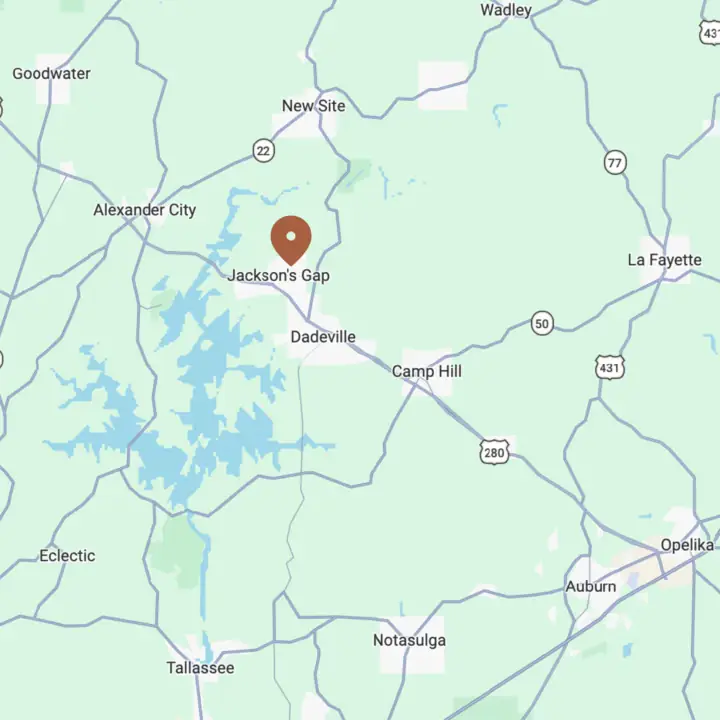
Our Auburn flagship has served Lee County since 1967, with the deepest tooling and parts inventory in the region. When you need our broadest expertise — the Auburn team is a short drive away.
Call Auburn Location 334-887-9020Auburn customers and Lake Martin neighbors get the same Spencer commitment to honest work, accurate diagnosis, and repairs that last.
Book Service at Auburn Location
For over 55 years, Spencer Heating and Air has set the standard for honest, expert HVAC service in the Lake Martin area and Auburn. Our customers keep coming back because they know they can count on us — for fair pricing, skilled workmanship, and the kind of genuine care that only comes from a family-owned business with deep roots in the community.
Whether you need a brand-new American Standard system, a quick repair, or a comprehensive maintenance plan, we are here and ready to help. Do not settle for anything less than the best — your home and your family deserve it.
Poor indoor air quality affects everyone in your household—especially children, elderly family members, and anyone with allergies or respiratory health concerns. Spencer Heating and Air starts with professional testing to identify exactly what’s in your air, then recommends solutions matched to your specific problems and budget. Many customers are surprised how much their health and comfort improves with better air quality.